

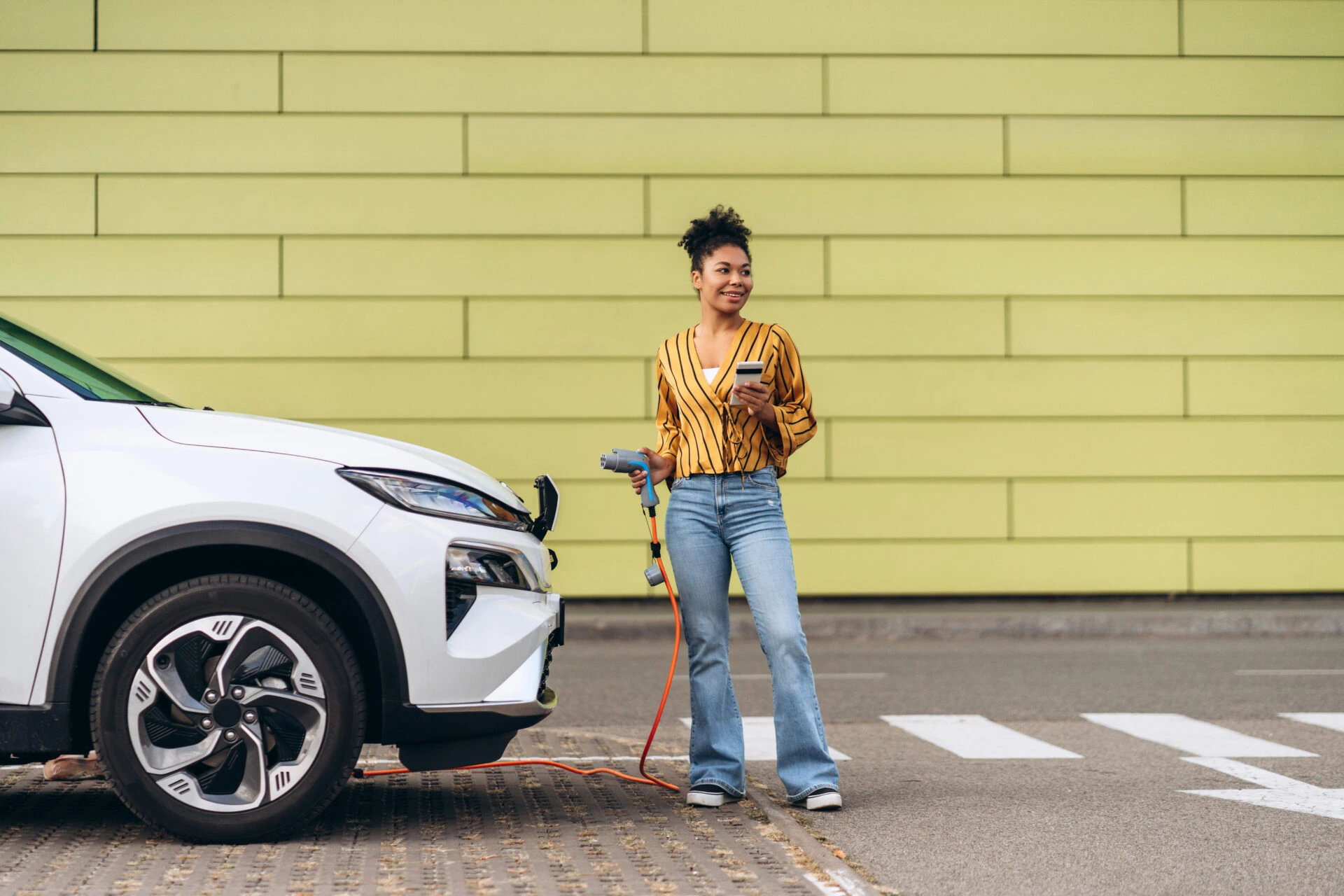

For many drivers a used EV can be an excellent buy, offering lower running costs, access to newer technology and significant savings compared with buying new.
While battery health is an important consideration, our repair data suggests the issues drivers experience aren’t always the ones people expect. Understanding repair trends, ownership costs can help you make a more informed buying decision.
In this guide, we’ll answer some of the most common questions about buying a used electric car and explain what our emerging repair data tells us about long-term EV ownership.
The pros and cons of buying a used electric car
Like any used vehicle, there are advantages and drawbacks to consider before buying:
| Pros | Cons |
|---|---|
| Lower purchase price due to depreciation | Battery health can vary between vehicles |
| Lower day-to-day running costs compared with the cost of fuel | Specialist repairs can be expensive when required |
| Access to modern safety features and technology | Charging infrastructure may not suit every driver |
| Lower emissions |
For most buyers, the benefits outweigh the drawbacks, provided the vehicle has been well maintained and you understand the potential repair costs.

What are the most common EV repairs and how much do they cost to fix?
As the used EV market continues to grow, we’re starting to see some early patterns emerge in our repair data. While our EV repair dataset is still developing compared with petrol and diesel vehicles, it provides a useful indication of the issues owners may encounter as more EVs age and accumulate mileage.
| Position | Failure area | Failure part | Average repair request (cost) | Most expensive repair request (cost) |
|---|---|---|---|---|
| 1 | Electrical system | Sensors | £809.59 | £3,270 |
| 2 | Electrical system | Central locking mechanism | £899.44 | £4,056.82 |
| 3 | EV | Onboard charger | £2,158.75 | £10,454.98 |
| 4 | Suspension | Wishbones | £1,229.64 | £4,118.65 |
| 5 | Electrical system | Auxiliary battery (12v/48v) | £532.94 | £986.15 |
These findings reinforce that many repairs relate to components found across modern vehicles, rather than EV-specific technology alone. Understanding both the frequency and potential repair costs of these components can help buyers make more informed ownership decisions.
Will my EV battery fail?
While high-voltage battery failures can happen, our repair data suggests they aren’t currently among the most common reasons EV owners make repair claims.
Instead, electrical systems, charging components and suspension parts appear more frequently in our repair request data.
That doesn’t mean battery health isn’t important. When battery repairs are required, they can be expensive. Across Warrantywise repair requests, the average EV battery (high-voltage battery) repair request was £6,435.38*, highlighting why buyers should still pay close attention to battery condition before purchasing a used EV.
The key takeaway is that EV reliability isn’t currently defined by one component alone. Understanding the wider ownership picture is often more useful than focusing solely on the battery.
What should you check before buying a used EV?
Buying a used electric car isn’t dramatically different from buying any other used vehicle, but there are several additional areas worth checking.
Battery health
Ask whether a battery health report is available. While batteries generally degrade gradually, understanding the battery’s condition can help avoid surprises later.
Charging system
Confirm the vehicle charges correctly using both AC and DC charging where possible, and pay particular attention to the on-board charger. You might also be surprised to know some EV’s don’t come with chargers, so it’s worth checking they are included.
Service history
Look for evidence that the vehicle has been maintained according to the manufacturer’s recommendations.
Suspension
Suspension components appear regularly in our repair data, making it worthwhile checking for knocks, uneven tyre wear or poor ride quality.
Electrical systems
Test features such as:
- Central locking
- Sensors
- Infotainment
- Driver assistance systems
- Heating and air conditioning
Modern vehicles rely heavily on electronics, making these systems an important part of any inspection.
Are EV batteries reliable?
While our repair request data suggests high-voltage battery failures are less common than many drivers expect, our dataset is still emerging. As more EVs age, we’ll continue to build a clearer picture of long-term battery reliability.

However, because battery repairs can be costly when they do occur, it’s still sensible to:
- Check battery health before purchase
- Consider how you’d manage the cost of future repairs once your manufacturer warranty expires
For most buyers, battery condition should be one part of the buying decision – not the only consideration.
Are EV repairs more expensive than petrol or diesel cars?
Comparing repair costs isn’t always straightforward because EVs and internal combustion engine (ICE) vehicles use different technologies.
Our data shows average EV repair costs increased by 10.7% between 2024 and 2025*, which may reflect several factors, including:
- Inflation
- Increased demand
- More EVs entering the market
- Greater repair complexity
Specialist labour can also influence repair costs. Industry estimates suggest EV labour rates are typically 27%–47% higher than equivalent ICE repairs, largely because technicians require specialist training and equipment.
What happens when your EV manufacturer warranty ends?
Many electric cars currently on UK roads are only just beginning to move beyond their original manufacturer warranties. As these vehicles age, owners may become responsible for repair costs that were previously part of the manufacturer warranty.
Warrantywise recorded a 68.2% increase in EV extended warranty sales between 2024 and 2025, suggesting more drivers are thinking ahead as their manufacturer warranty comes to an end.
This doesn’t necessarily mean older EVs become unreliable, it simply means drivers may wish to consider how they would manage the cost of unexpected repairs if they occur.
The verdict: Is a used electric car worth buying?

Used EVs can offer excellent value, particularly if you choose a well-maintained vehicle with a good service history and understand the potential repair costs. While our emerging repair data suggests battery failures are less common than many drivers expect, it also highlights the importance of looking beyond the battery when assessing long-term ownership.
As with any used car purchase, doing your research, checking the vehicle’s history and understanding potential repair costs will help you buy with confidence.
If you’re planning to keep your EV for several years, it’s also worth thinking about how you’ll manage unexpected repair bills once manufacturer support ends. Taking the time to understand your options before you buy can help make ownership more predictable and give you greater peace of mind.
Planning for long-term EV ownership
Buying a used EV means thinking beyond the purchase price. As vehicles age and manufacturer warranties expire, unexpected repair costs can become part of ownership.
If you’re planning to keep your EV long term, an extended warranty could help you budget for unexpected repairs. Explore Warrantywise’s dedicated EV warranty plans to learn more.
EV repair data disclaimer
*Based on EV repair requests assessed by Warrantywise between January 2023 and January 2026. As EV volumes remain lower than petrol and diesel vehicles, results are more sensitive to model mix and individual high-value repairs and should be treated as directional. Repair costs are based on repair requests, and some costs may include multiple related components. Average repair request values reflect the period analysed. All data is sourced from Warrantywise’s proprietary repair database.
This information is provided for general informational purposes only and should not be relied upon as financial, legal or purchasing advice. Repair costs and trends are based on Warrantywise repair request data and may not reflect the experience of every vehicle, model or owner.