

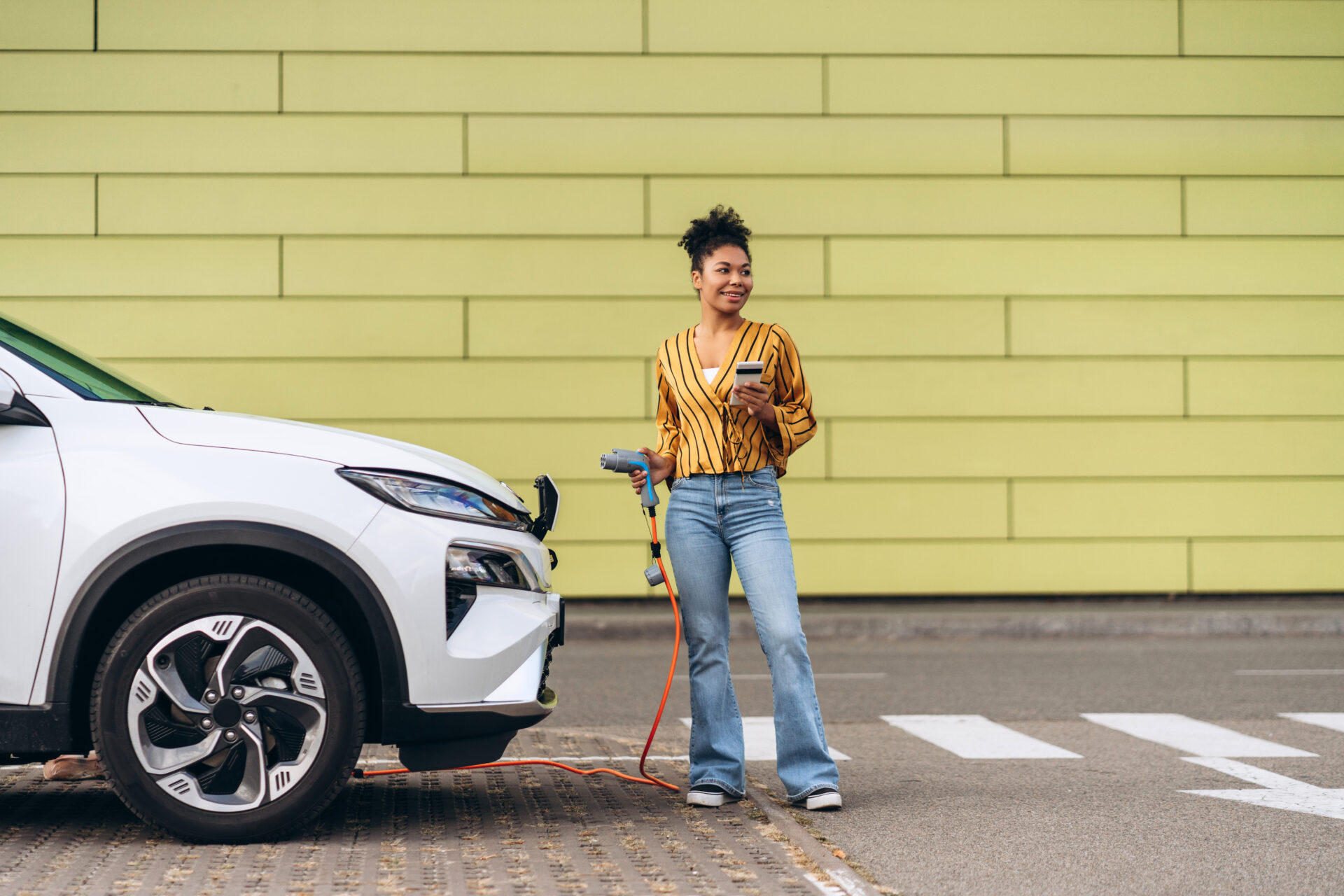
Electric vehicles have generally depreciated faster than petrol and diesel cars, although recent trends suggest the gap is narrowing.
EVs now represent a growing share of the UK car market. Alongside petrol and diesel models, buyers can choose from battery electric vehicles (BEVs), plug-in hybrids (PHEVs) and self-charging hybrids (HEVs).
Historically, electric car depreciation has been higher, particularly following the introduction of early mainstream models such as the Nissan Leaf in 2010 and Renault ZOE in 2013. However, recent market data suggests EV depreciation is expected to ease from 2026 onwards as the market continues to develop.
In this article, we explain why electric and hybrid vehicles have historically depreciated more quickly, how depreciation trends are changing, and what this means for drivers considering an electric car.
Key facts at a glance:
- EVs have historically depreciated faster than petrol and diesel vehicles.
- The steepest vehicle depreciation usually occurs within the first three years.
- Used EV supply has increased as more fleet and salary sacrifice vehicles enter the market.
- Advancements in EV technology have affected the resale value of older models.
- Despite battery health concerns on used EVs, real-world data suggests they maintain around 95% of their original health.
- Expanding charging infrastructure is making EV ownership more practical and realistic.
- EV depreciation patterns are expected to stabilise in 2026/27 as the market develops.

What is vehicle depreciation?
Depreciation is the reduction of a vehicle’s value over time.
All vehicles depreciate, and the steepest drop in value usually happens within the first three years. This period is often used as a benchmark when comparing depreciation, as many finance and fleet agreements run for around 36 months.
Historically in the UK market:
- Petrol and diesel vehicles have shown relatively predictable three-year depreciation patterns.
- BEVs experienced greater depreciation early on, when compared to petrol and diesel vehicles.
- HEVs have generally followed depreciation trends similar to petrol and diesel equivalents.
- PHEVs have shown more variation, depending on electric range, tax treatment and demand.
Depreciation ultimately varies by:
- Model
- Specification
- Mileage
- Supply levels
- Wider economic conditions
This helps to explain why performance can differ even within the same fuel type.
While petrol and diesel vehicles have historically shown more predictable depreciation patterns, their values can still be influenced by factors such as fuel costs, regulatory changes and shifting consumer demand.
Understanding how EV depreciation compares with petrol and diesel vehicles can help buyers make more informed decisions when choosing between different powertrains.
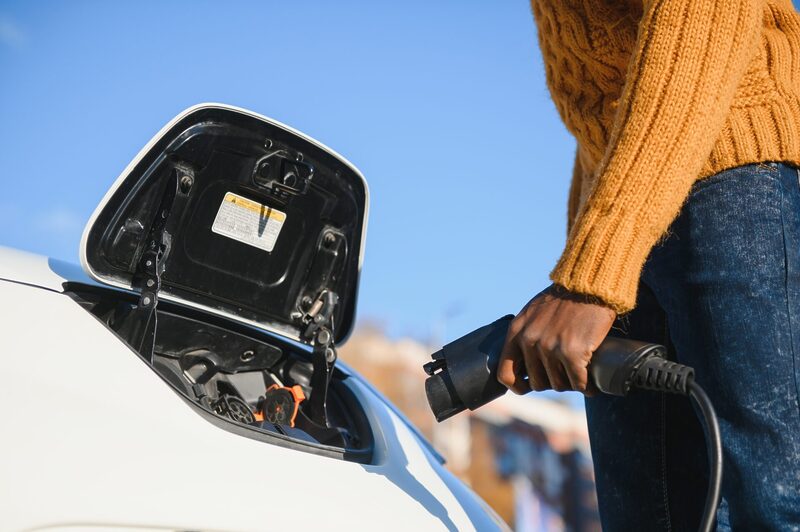
Why have EVs depreciated faster than petrol and diesel cars?
UK market insights highlight several factors that have contributed to steeper depreciation in certain EV models when compared to petrol and diesel vehicles.
Technological progress:
EV technology has evolved more rapidly than the gradual changes usually seen in petrol, diesel or hybrid models.
Improvements in battery capacity, range and charging speeds mean newer EVs often outperform earlier generations in everyday use. As a result, earlier models can appear comparatively limited, shortening their perceived lifecycle and contributing to steeper depreciation.
This has led to increased resale pressure as newer, longer-range alternatives enter the market.

Battery health and longevity perception:
Battery condition plays a central role in EV resale value, with buyers expressing concern over the cost of replacing an older battery.
Modern EV batteries are designed for long life (typically over 10 years) and are often backed by an extended manufacturer warranty. However, when it comes to used EVs, buyers’ concerns include:
- Long-term degradation.
- Reduced real-world range.
- Potential replacement costs.
By contrast, petrol and diesel engines benefit from decades of consumer familiarity, which can lead to stronger resale confidence.
However, as more real-world data confirms EV battery durability, this perception gap is gradually reducing.
Motor Trade News reports that the average used EV battery health sits at a respectable 95.15% when compared to new. Over 8000 used EVs were tested across 36 makes and models, with vehicle ages up to 12 years and mileage up to 160,000.
These findings suggest that, in many cases, real-world battery performance remains stronger than some buyers may expect, helping to address common concerns around long-term degradation.
As understanding improves and transparent battery health reporting becomes more common, confidence in used EV longevity is strengthening, which could contribute to more stable resale values over time.

Supply and demand dynamics:
Industry insights have shown that in recent years, the number of used EVs listed by UK dealers has increased significantly, shifting the balance between supply and demand.
Used EV supply growth (Marketcheck data):
- Early 2023: just over 20,000 used EVs were listed by UK dealers.
- Mid-2024: listings rose to 35,000–40,000 vehicles.
- Much of this supply came from fleet renewals and salary sacrifice schemes.
- Average listing prices dropped by more than £5,000 between July 2023 and July 2025.
However, the lower prices and greater availability have helped stimulate demand.
Growing used EV demand (Society of Motor Manufacturers & Traders):
- In 2024: used EV sales increased by 57%.
- Lower purchase prices and a wider range of available models encouraged more drivers to consider electric vehicles.
- Improvements in charging infrastructure have made EV ownership more practical.
- Growing confidence in real-world battery durability has also supported buyer demand.
As supply and demand start to balance, EV depreciation patterns are becoming more stable and increasingly comparable with petrol and diesel vehicles.
What about hybrid vehicles?
Hybrid vehicles have generally followed more predictable depreciation patterns, often retaining value well due to lower fuel consumption and established reliability reputations thanks to their integrated petrol and diesel design.
Traditional hybrids benefit from:
- Longer-standing consumer confidence compared with BEVs.
- Consumer familiarity thanks to integrated petrol and diesel design.
- No reliance on public charging infrastructure.
While plug-in hybrids show more variation in electric-only range and tax incentives, they have not experienced the same level of market adjustment seen in some BEV segments.
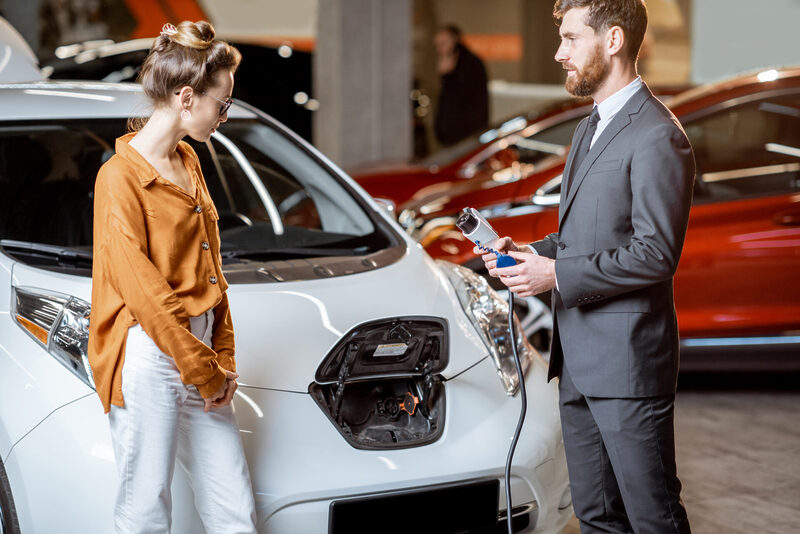
What does the future look like for EV depreciation?
As EV adoption becomes more mainstream, depreciation patterns are expected to become more predictable. Several trends are shaping what the next few years could look like.
More balanced supply and demand:
Fleet and salary sacrifice schemes will continue to feed vehicles into the used market, but the pace of growth is now more measured than during the earlier acceleration phase.
As retail demand strengthens, supported by lower used prices and improving infrastructure, the imbalance that previously pressured values is expected to ease.
Steadier technology advances:
Although battery and charging technology will continue to evolve, modern EVs already offer sufficient range for everyday driving, with charging speeds improving significantly.
Real-world data shows that EV batteries retain a high percentage of their original capacity over time, and as reporting becomes more transparent, buyer confidence is expected to strengthen.
These incremental technological advances mean older models are less likely to feel outdated, helping to support more stable resale values over time.
Improved infrastructure:
As of early 2026, there are almost 88,000 public charge points in the UK, with strong growth in rapid and ultra-rapid hubs across most regions. This expansion is helping to ease range anxiety, making long-distance travel more accessible than it was just a few years ago.
Home charging has also become more widespread. Around one million home charge points were installed across UK driveways by the end of 2024, and many households now have the potential to charge at home, reducing reliance on public infrastructure.
This growing mix of public and home charging is likely to reduce range anxiety for used EV buyers, meaning charging access may play a smaller role in future resale decisions than it did for earlier models.
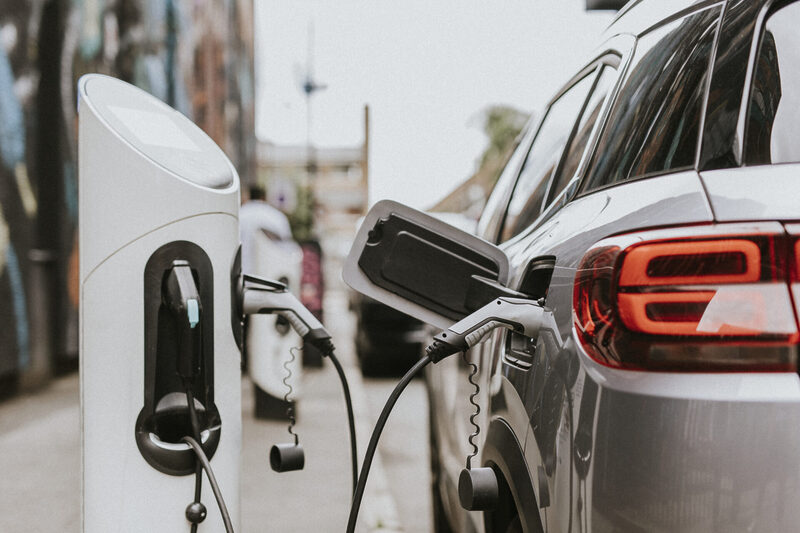
External incentives:
Alongside improvements in technology and infrastructure, a range of government and industry incentives have been introduced to boost EV sales.
Key incentives currently available include:
- Electric Vehicle Grants: government schemes can help reduce the upfront cost of certain electric vehicles and charging equipment.
- Home Charger Grants: funding is available to help households cover part of the cost of installing a home EV charger.
- Workplace Charging Scheme: businesses can receive financial support to install EV charge points for staff and visitors.
- Salary Sacrifice Schemes: many employers now offer EV salary sacrifice programmes, allowing employees to lease an electric car using pre-tax income.
- Benefit-in-Kind (BiK) Tax Incentives: company car drivers benefit from significantly lower BiK tax rates when choosing an electric vehicle.
- Local Authority Incentives: Some cities offer additional benefits, such as reduced or exempt charges in congestion zones or Clean Air Zones.
While some drivers remain cautious about switching to EVs, improving infrastructure and evolving financial support are making ownership an increasingly viable option.
As EVs become more accessible, attention is also shifting towards long-term ownership costs. While modern vehicles are becoming more advanced, they also rely on complex electronic systems that can be costly to repair if something goes wrong.
Some drivers choose to take out an extended warranty to help manage these potential costs. Warrantywise offers EV warranty options designed to support drivers throughout ownership, particularly as EV technology continues to evolve.

2026/27 EV depreciation predictions:
Recent analysis from Auto Trader’s Retail Price Index and CAP HPI show that used EV values began stabilising through 2024 and 2025 as supply and demand moved closer to balance.
Looking forward, market forecasts suggest that depreciation rates of EVs are likely to stabilise further by 2026 and into 2027, bringing it closer to typical petrol and diesel patterns.
Several factors are expected to support this trend over the next few years:
- Growing used EV demand: SMMT data shows second-hand EV transactions continuing to rise as more drivers are attracted by lower purchase prices and wider model choice.
- Improving charging infrastructure: The UK’s public charging network continues to expand, making EV ownership more practical for a wider range of drivers.
- Greater confidence in battery durability: Real-world battery health data and improved reporting are helping reassure buyers in the used market.
- More gradual technology updates: As EV development becomes more incremental, older models are less likely to feel outdated as quickly.
These developments suggest a growing stability as the electric vehicle market continues to evolve.

What EV depreciation trends mean for drivers:
Whether drivers already own an EV or are considering buying a used one, the long-term picture is becoming clearer. As the market becomes more predictable, decisions can be based less on short-term price movements and more on overall cost of ownership and day-to-day usability.
For many drivers, EVs continue to offer clear advantages:
- Lower running costs: charging at home is often cheaper per mile than filling up with petrol or diesel, particularly on off-peak electricity tariffs.
- Zero tailpipe emissions: EVs produce no exhaust emissions while driving, which appeals to those looking to reduce their environmental impact.
- Fewer moving parts: compared with petrol and diesel vehicles, EVs do not require components such as exhaust systems, clutches or traditional gearboxes.
- Potentially simpler maintenance: with fewer mechanical parts subject to wear and tear, routine maintenance requirements can be more straightforward.
With growing consumer confidence, ownership decisions are becoming more informed, helping to explain the rise in demand for used EVs.
What can I do to protect my EV’s value?
While market trends influence depreciation, owners can still take practical steps to support long-term value.
- Maintain a full service history: even though EVs have fewer moving parts, regular servicing and documented maintenance help to build buyer confidence.
- Keep software up to date: manufacturer updates can improve performance, efficiency and functionality.
- Retain charging cables and accessories: missing equipment can affect resale appeal.
- Monitor and document battery health where possible: transparent battery condition data can reassure future buyers.
- Look after overall condition: bodywork, interior wear, and tyre condition remain key resale factors, just as with petrol or diesel vehicles.
While depreciation is a normal part of car ownership, maintaining your vehicle carefully and keeping clear documentation can make a noticeable difference when it comes time to sell.

Supporting your EV ownership journey:
As the EV market evolves, depreciation trends are becoming more predictable and increasingly comparable with petrol and diesel vehicles. For drivers considering an EV, this growing stability means ownership decisions can focus more on long-term practicality, running costs and reliability, rather than short-term market fluctuations.
While EVs have fewer mechanical components than traditional engines, they still rely on complex electronics, control systems and advanced technology. Repairs to modern vehicle systems – electric or otherwise – could be costly if something goes wrong.
For drivers looking to manage these potential costs, a Warrantywise extended warranty could help. You can explore our EV warranty options and get a quote on our website, where you’ll find clear plan information and eligibility criteria.