


Car problems caused by the cold of the winter months are more common that many drivers realise. Whilst motorists are busy dealing with exterior issues like frozen windscreens, internally their vehicles are quietly taking on some of the harshest conditions they’ll face all year.
Cold temperatures, poor road conditions and shorter journeys place extra strain on key components, making winter one of the most demanding times of year for vehicles.
This practical guide explains how winter affects your car, the warning signs to look out for, and the simple steps you can take to reduce the risk of unexpected winter breakdowns during the colder months.
It is important to keep up to date with your servicing and MOT schedule to ensure your vehicle is safe and roadworthy. You can also refer back to your vehicle owner’s guide for more information on looking after your vehicle during cold weather.
Key facts at a glance:
- Cold weather strain: Low temperatures, poor road conditions and frequent short journeys place extra strain on key vehicle components during winter.
- Battery performance: Batteries are one of the most common causes of winter breakdowns, with cold weather reducing performance by up to 20% in petrol and diesel vehicles, and up to 30% in EVs and hybrids.
- Fluid viscosity: Oils and fluids thicken in cold weather, increasing wear on engines, brakes, gearboxes and steering systems.
- Tyres and grip: Lower tyre pressure, hardened rubber and lower road grip can significantly affect handling, braking distance and overall safety.
- Corrosion risk: Road salt, moisture and grit accelerate corrosion, increasing wear on brakes, suspension and electrical components.
- Short journeys: Frequent short trips prevent engines and batteries from reaching optimal temperature, increasing the risk of issues such as Diesel Particulate Filter (DPF) blockages.
- Electric vehicles: EVs, hybrids and plug-in hybrids can experience reduced range, slower charging and limited regenerative braking in cold weather due to battery thermal management.
- Prevention matters: Regular checks and simple preventative maintenance can significantly reduce the risk of unexpected winter breakdowns and costly repairs.

Why are vehicles more likely to break down in winter?
Winter car problems are often caused by cold temperatures reducing efficiency, increasing wear and exposing existing weaknesses in key components.
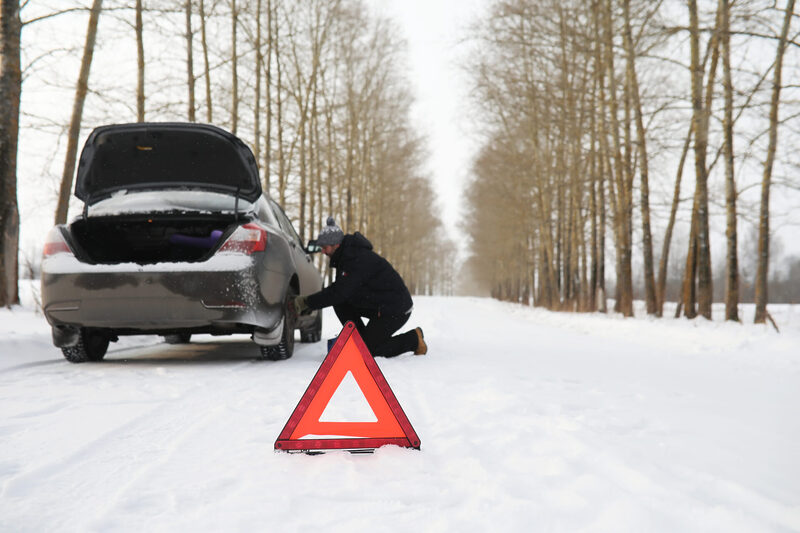
As temperatures drop and driving conditions worsen, several key components in your vehicle are forced to work harder. This increase in strain makes winter the most common time of year for unexpected breakdowns, with failures themselves happening suddenly – often catching drivers completely off guard.
Here’s why vehicles can struggle in winter:
- Cold temperatures reduce battery efficiency, slowing chemical reactions inside the battery.
- Heating and climate systems are used more often, placing heavy demand on blowers, valves, sensors and electronics.
- Moisture increases electrical instability, leading to alternator failures, corroded connections and damaged wiring looms.
- Thickened fluids and oils strain moving parts, including brakes and gearboxes.
- Cold weather, wet surfaces and salted roads can accelerate wear, damaging tyres, brakes and suspension, with more components failing or needing replacing.
- Frequent short journeys prevent engines from fully warming up, causing emission systems to clog more quickly.
Even with good maintenance, winter breakdowns can still happen, and often without warning.
Cold weather has a way of exposing hidden weaknesses, which is why many drivers choose extra protection for added peace of mind during the winter months.
What are the most common winter issues?
Batteries:
It’s a cold, dark winter morning and you’re getting ready for the commute. You settle into the car, turn the key or press the start button, but you’re met with silence. You try again and hear a weak click, and your dashboard lights flicker tentatively. Eventually the engine stirs, but it’s clear the battery is struggling.
If any of this seems familiar, it’s likely you’ve experienced some winter-related battery issues.
Why do batteries suffer in winter?
Cold weather has a significant impact on battery performance. In fact, according to this article from Battery Tips:
- A typical lead-acid car battery (usually found in petrol and diesel vehicles) can lose around 20% of its strength when temperatures drop to 0°C.
- A typical lithium-ion and nickel-metal hydride battery (found in electric vehicles and hybrids) can often lose up to 30% capacity at 0°C.
At the same time, the engine needs more power to start in cold conditions, placing extra demand on an already weakened system. It’s no surprise, then, that battery issues are one of the most common problems motorists can face during the winter months.
Alternators are also under increased strain in winter, as they work harder to recharge batteries while powering heaters, lights and demisters.
What does cold weather mean for EV charging?
In colder conditions, you may notice your EV takes longer to charge and delivers a reduced driving range. That’s because, according to this article by EV Powered, lithium-ion batteries work most efficiently at 15-35°C. When the temperature drops, the chemical reactions inside the cells slow down, making it harder for the battery to accept charge – even when using a rapid charger.
To protect the system, some of the incoming energy is redirected to warm the battery first. As the battery reaches an optimal temperature, the charging speed will gradually increase and return to normal.
What is the difference between auxiliary batteries and drive batteries?
An auxiliary battery is found in all cars. It is usually a small 12-volt battery, used to power the car’s electrical systems such as the lights, infotainment, central locking and onboard computers. In hybrid and electric vehicles, it also helps the car switch on and operate safely.
A drive battery is found in electric, hybrid and plug-in hybrid vehicles, and is sometimes called the traction or high-voltage battery. It is much larger than the auxiliary battery, and is responsible for powering the electric motor that moves the car.
Basically, the auxiliary battery runs the car’s systems, while the drive battery is what actually makes the (EV, HEV or PHEV) car drive.
What to look out for:
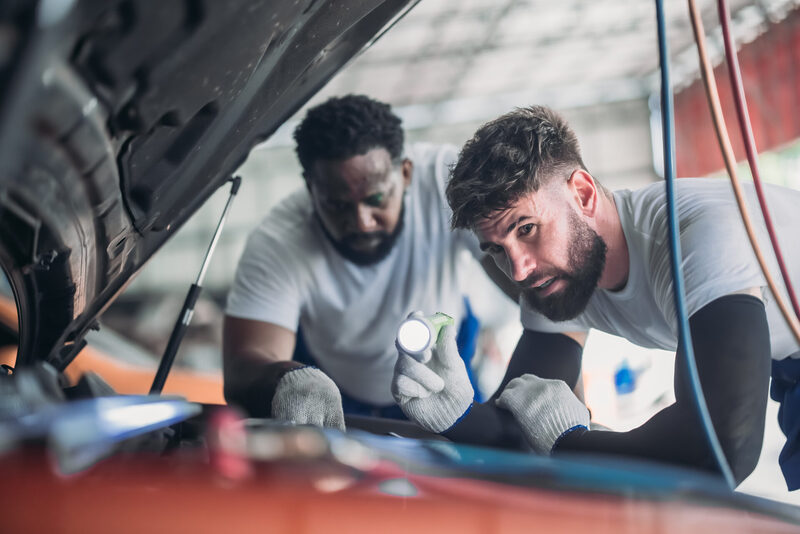
Cold weather can affect your battery in ways that aren’t always obvious at first. If your car is slow to start, your headlights appear dimmer than usual, or you hear a clicking sound when starting the vehicle, the battery may be struggling in lower temperatures.

Slow or hesitant engine start.

Dim or flickering headlights.

Clicking noise when starting the engine.

Dashboard lights behaving unusually.

Reduced driving range in EVs.

Slower EV charging.
If your battery is over three years old, it may be more susceptible to the effects of cold weather. It’s a good idea to contact your local garage to carry out a quick battery health check before the temperatures drop.
You can find more information on replacing your car battery in this article.
What you can do:
If you don’t drive very far day to day, an occasional longer journey can help keep your car running at its best. Limiting heavy electrical use can also make a real difference to battery health during the winter months.
If your car is likely to be off the road for a while, a trickle charger is a great way to maintain battery condition. It supplies a low, steady current that keeps the battery topped up without the risk of overcharging.
Top tips for looking after your battery in winter:
- Replace ageing batteries, typically anything over 3-5 years old.
- Avoid frequent short journeys, which prevent the battery from fully recharging.
- Limit electrical accessory use such as heated seats, blowers and infotainment systems on cold starts.
- Check your battery health at your local garage.
- Invest in a trickle charger if your car will be parked up for long periods.
- Use jumpstarts sparingly as they can be damaging if used too often.
A quick note on jumpstarting your car:
Jumpstarting can get you moving again, but relying on it regularly can cause long-term damage.
Each jumpstart forces the battery (and sometimes other electrical components) to work far harder than they were designed to.
Over time, this can lead to premature battery failure and shorten the overall lifespan of your battery.

Tyres:
Tyre problems often only become apparent once you’re on the road. If your car feels slippery or less responsive, particularly in wet, cold or lightly snowy conditions, it could be a sign that your tyres need attention.
Vibrations or shaking through the steering wheel at certain speeds can also indicate tyre wear or imbalance. You might even notice increased road noise, humming or squealing during turns, which are all potential signs of worn tread, uneven wear or poor wheel alignment.
What to look out for:
Winter conditions can impact tyres in several ways, often reducing both performance and safety.
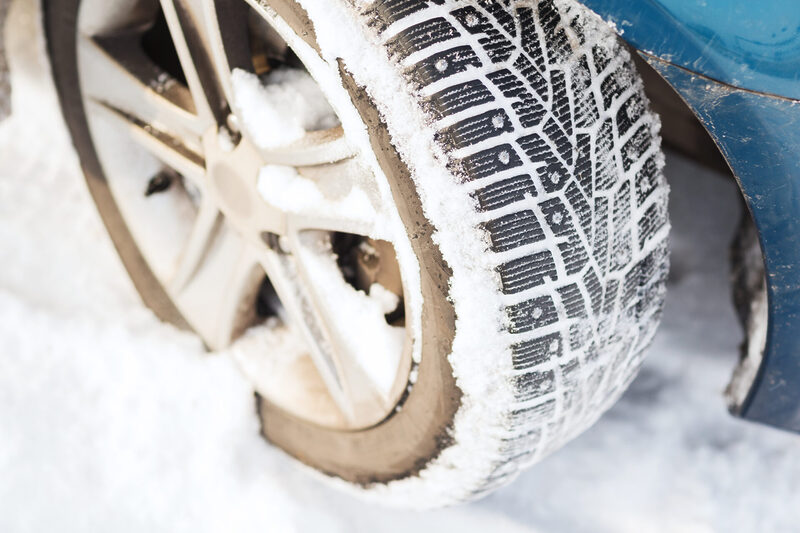
As temperatures drop, the rubber becomes harder and less flexible, reducing the ability to grip the road, especially on wet or icy surfaces. You may also notice a drop in tyre pressure, which can make the car feel less stable or responsive when cornering or braking.
If your car starts to feel unsettled on the road, struggles for traction, or you experience vibrations through the steering wheel, your tyres could be affected by the colder conditions.
Winter-related tyre warning signs:

Lower temperatures harden the rubber, leading to reduced grip and traction.

Tyre pressure drops in cold weather affecting wear and handling.

Reduced traction can make braking distances longer.
What you can do:
Maintaining the quality and pressure of your tyres is essential for staying safe on winter roads. Simple checks, especially before long journeys or during sudden temperature drops, can make a significant difference to grip, handling and braking performance.
For added confidence, many drivers choose to invest in winter tyres, which are designed to perform better in cold, wet and icy conditions.
Tips for looking after your tyres in winter:
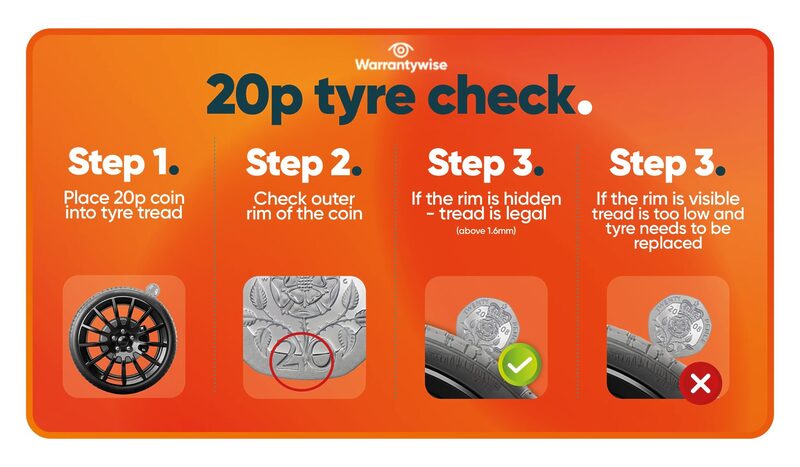
- Maintain the correct pressure and minimum tread depth of 1.6mm using the 20p method below.
- Drive smoothly and avoid harsh acceleration or heavy braking.
- Replace tyres that are worn or ageing.
- Consider winter tyres for improved traction in colder weather.
By keeping on top of tyre health and making small adjustments to your driving habits, you can greatly reduce the risk of winter-related handling issues.
Brakes:
It is crucial to ensure your brakes are in good, working condition – especially during winter, when the roads are often dark, wet and slippery.
Cold weather can affect braking performance in several ways: brake fluid can thicken, moisture can freeze inside callipers or lines, and road salt, slush and grit can speed up corrosion on rotors and pads. Add in harsher braking on icy surfaces, and winter becomes a particularly challenging time for your braking system.

What to look out for:
If your brakes begin to feel less responsive, make a squealing or grinding noise, or you notice vibrations through the brake pedal, these could be signs of rust, warping or sticking components.
In winter conditions, stopping distances often increase. This can place extra strain on the braking system, as reduced road grip in wet winter conditions forces you to brake harder.
Electric vehicles will experience limited regenerative braking (when an EV slows down and puts some of that energy back into the battery) as the coolant used for the battery and gearbox can thicken in colder weather.
Winter-related brake warning signs:
Cold temperatures can thicken brake fluid, leading to brakes feeling ‘spongy’ when pressed.
Thickened brake fluid flows more slowly, requiring more pedal force to bring your vehicle to a stop.
Moisture can freeze inside callipers or lines, causing sticking or uneven braking.

Road salt and slush can rust rotors and pads, leading to noise, vibration or reduced grip.

Frequent or hard braking on slippery surfaces can heat components faster, causing rotor warping over time.

EVs will experience less regenerative braking due to thickened coolant.
What you can do:
Regular checks and gentle driving habits can help maintain braking performance and reduce wear on key components.
Tips for looking after your brakes:
- Have your brake fluid checked as older or moisture-contaminated fluid thickens more quickly in the cold.
- Listen for unusual noises, such as squealing or grinding, which can signal worn pads or corroded rotors.
- Avoid harsh braking on icy or wet roads to reduce strain on rotors and pads.
- Regularly rinse wheels and arches to remove salt and grit that accelerate rust.
- Investigate brake warning lights immediately, even if performance seems normal.
By staying alert to changes in pedal feel, noise and stopping distance, you can catch issues early and keep your braking system reliable throughout the winter months.

Suspension:
Salt, grit and moisture can corrode all aspects of the suspension system leading to leaks, clunking sounds or a sagging stance that makes the car difficult to handle. Hitting frozen or hidden potholes can also result in harsher impacts, accelerating wear on joints and bearings.
What to look out for:
If you notice a rough, jarring ride over uneven surfaces, or excessive bouncing after hitting bumps in the road, these could indicate stiffened parts or worn shocks.
Clunking, knocking or squealing noises from underneath the vehicle – especially during turns or braking – can suggest loose or failing bushing mounts or joints.
Other signs include uneven tyre wear or the car pulling to one side. These could imply corrosion, leaks or misalignment within the suspension system.
Winter-related suspension warning signs:
Stiffened parts or worn shock absorbers can cause a rougher ride or excessive bouncing.
Cold weather can affect bushings, seals and mounts leading to clunking, knocking or squealing sounds.
Leaks, corrosion or misaligned struts and shock absorbers present as uneven tyre wear, pulling to one side or feeling like your car is sagging.
Icy potholes can jolt suspension components harder than usual, accelerating wear on ball joints, control arms and bearings.
Heavy snow or slush build-up strains the suspension, reducing ride comfort and stability on corners.
Salt, grit and moisture corrode shock absorbers, struts, springs and bushings, all of which can worsen handling.
What you can do:
A few simple maintenance steps can help reduce wear, maintain ride comfort and keep your vehicle handling safely.
Tips for looking after your suspension:
- Check under your vehicle and inspect the suspension components after encountering large potholes or rough winter roads.
- Address new noises quickly as clunks, knocks or squeaks often signal failing bushings or mounts.
- Clear snow and slush from wheel arches and underbody areas to prevent strain and corrosion.
- Wash the underside of the car to remove salt that can corrode shocks, springs and joints.
- Replace worn shocks or struts to maintain proper damping and stability.
By paying attention to how your car feels on the road and responding to issues quickly, you can prevent winter wear from developing into more serious suspension problems.

Fluid & cooling systems:
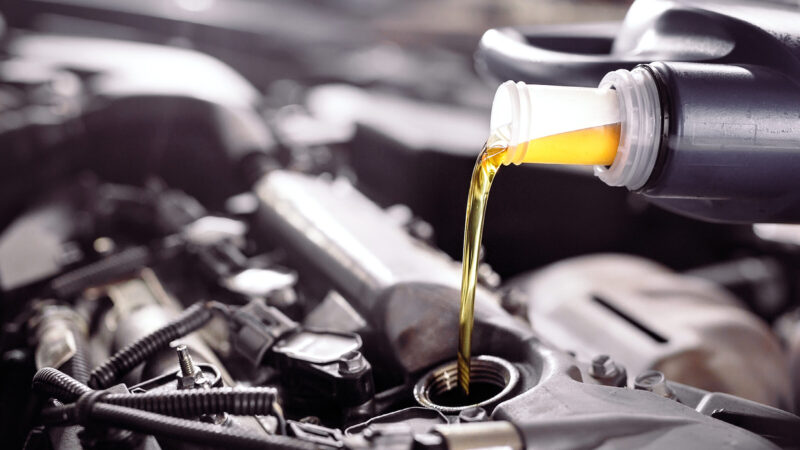
Low temperatures cause most car fluids to thicken, reducing cooling system protection and overall engine efficiency.
A delayed circulation of fluids means that metal parts run with less lubrication at the start of the drive, increasing wear and placing additional strain on the engine during cold starts.
Power-steering and hydraulic fluids can become viscous and affect steering, and over-diluted coolant can freeze or slush in very cold temperatures.
For diesel cars, the cold weather can cause the fuel to change its consistency, resembling gel or wax.
What about EVs?
While EVs do not have to worry about fuel or engine oil, they still use coolant for the battery, inverter and sometimes cabin heat. It’s also used by the gearbox in gear reduction, which optimises performance and efficiency. This coolant can thicken, causing problems like reduced range and slower charging.
What to look for:
Drivers can experience heavy steering when starting their journey. Power-steering and hydraulic fluids can thicken in cold weather, resulting in a slow, strained start until the car has fully warmed up.
To add to this, the composition of diesel fuel alters in cold weather and can lead to difficulty starting the vehicle, the engine cutting after starting, or not starting at all.
Typical signs of cold weather fluid issues for EVs include a noticeably reduced range, slower DC charging, and limited regenerative braking.
For all vehicles, the most obvious driver-visible symptoms are the car seeming ‘sluggish’ when cold, operating at reduced efficiency, and dashboard warning lights flashing.
If any of the above happen only in cold weather and improve once the vehicle is fully warmed up, it suggests the weather is affecting the fluids or cooling components.
Fluid & cooling system warning signs:
Vehicles will feel ‘sluggish’ and operate at reduced efficiency.
Thickening of engine oil, gearbox oil and differential/axle lubricants cause the fluids to flow more slowly.
Delayed circulation of fluids means metal parts receive less lubrication at the start of a journey, increasing wear and placing additional strain on the engine.
Cold and thick oils can cause the engine to work harder, making manual gear changes feel stiff.
Poorly mixed or old coolant can become too thick to circulate efficiently, meaning heat transfer worsens and the engine may run at the wrong temperature.
Power-steering and hydraulic fluids also thicken in cold weather, affecting steering response and overall handling.

Diesel fuel becomes more wax or gel-like in colder weather, making it difficult to start the engine.

EVs will suffer battery thermal-management limits, reducing range, affecting regenerative braking, and slowing charging.
What you can do:
Preventative maintenance and good cold-weather habits can help keep everything running efficiently, whether you drive a petrol, diesel or electric vehicle.
Tips for looking after your fuel & cooling systems:
- Change engine oil and other fluids at the recommended intervals (usually during a routine service) to ensure they perform well in low temperatures.
- Use manufacturer-approved or winter-grade fluids where suitable.
- Check coolant concentration to prevent freezing and maintain proper heat transfer.
- Allow the engine time to circulate oil on very cold mornings before driving off.
- Waiting for the RPM to drop can help oil circulate, allowing the engine to warm up.
- Diesel drivers can use winter-grade fuel or additives to help maintain the fuel consistency in sub-zero conditions.
- EV drivers can precondition the battery before setting off to improve range and charging speed.
Good fluid health is one of the most effective ways to prevent winter-related performance issues. Staying ahead of scheduled maintenance can save you from sluggish starts, reduced efficiency and unexpected warning lights.
What is EV battery preconditioning?
Preconditioning involves warming your vehicle to its optimal temperature before you begin your journey. Your EV battery heats the high-voltage battery and once the battery has warmed, it will charge faster and deliver more power during cold weather.
According to this guide from recharged.com, preconditioning can provide:
- 5-10% better efficiency on cold-weather trips.
- Up to 4x faster DC charging.
- A healthier battery long-term.
Preconditioning can take anywhere from 15-45 minutes, so it is important to take this into account and plan ahead in cold weather. Instructions vary by vehicle, with more information outlined in the owner’s handbook.

Cold weather checklist:
Taking a few minutes to carry out these checks once a week can help keep your car running smoothly and give you added peace of mind during winter driving.
Fuel:
Make sure you have enough fuel to comfortably complete your journey. Winter traffic and road conditions can cause delays, meaning you may be on the road longer than expected and use more fuel as a result.
Oil:
Check your vehicle’s oil level using the dipstick and ensure it sits between the minimum and maximum markers. If needed, top up using the correct oil for your vehicle, as cold temperatures can make oil thicker and less effective.
Rubber (tyres & wipers):
Tyres:
Your tyres play a crucial role in keeping you safe during winter. Check both tread depth and tyre pressure regularly.
The legal minimum tread depth is 1.6mm, but TyreSafe recommended a tread depth of at least 4mm during winter to help maintain grip in wet, cold and slippery conditions.
You can check tread depth using the 20p test and find the correct tyre pressure in your vehicle handbook or the inside of your driver’s door.
Inspect your tyres for any signs of damage, such as bulges, cuts or cracks.
Driving on damaged tyres can be extremely dangerous and they must be replaced as soon as possible.
Wipers:
Good visibility is just as important. Check your wiper blades for signs of wear by running a finger along the rubber edge and look for cracks or splits. Wiper blades should typically be replaced every 12 months, or sooner if they’re not clearing the screen effectively.
Coolant:
Ensure your coolant level sits between the minimum and maximum markings and top up if required. Correct coolant levels help protect your engine from freezing temperatures and overheating.
Electrics:
With shorter days and poorer weather, clear and fully working lights are essential. Salt, dirt and snow can quickly build up on lights during winter, so they need to be cleaned regularly to maintain visibility.
To check all lights are working correctly, ask someone to help or use reflections from nearby surfaces. With the engine running, test headlights, full beam, indicators, brake lights and hazard lights. Any faulty bulbs should be replaced promptly.
Screen wash:
Winter roads can quickly cover your windscreen in dirt, grime and road salt so make sure you have enough screen wash for your journey.
During colder months, use a high-quality additive or pre-mixed screen wash. This helps prevent freezing and ensures effective cleaning in temperatures as low as -15°C.
Conclusion:
Winter can be tough on your car, with cold temperatures, poor road conditions and short journeys placing extra strain on key components.
While regular checks and simple maintenance can help reduce the risk of problems, some winter failures are difficult to predict, even in well-maintained vehicles.
That’s where peace of mind matters.
While wear-and-tear items, often referred to as consumables, aren’t included, a tailored Warrantywise plan can help protect you from the cost of unexpected mechanical or electrical failures. Alongside good vehicle care, this offers added reassurance when driving in challenging winter conditions.
By staying prepared and protected, you can face the colder months with greater confidence, whatever the weather has in store.
Discover more.
Further Warrantywise articles you might find useful

Car care and maintenance – How to keep your car running longer.
(Approx. reading time: 17 minutes) Regular car maintenance and small changes can keep your car reliable for years, and with … Continued
Your MOT: The ultimate guide.
(Approx: 11 min. read) Worried about failing your MOT? You’re not alone. Every year, millions of UK drivers face the … Continued

Delaying repairs is costing you more than you realise.
(Approx: 6min read) Delaying repairs or maintenance on your vehicle might seem like a harmless way to save money in … Continued