


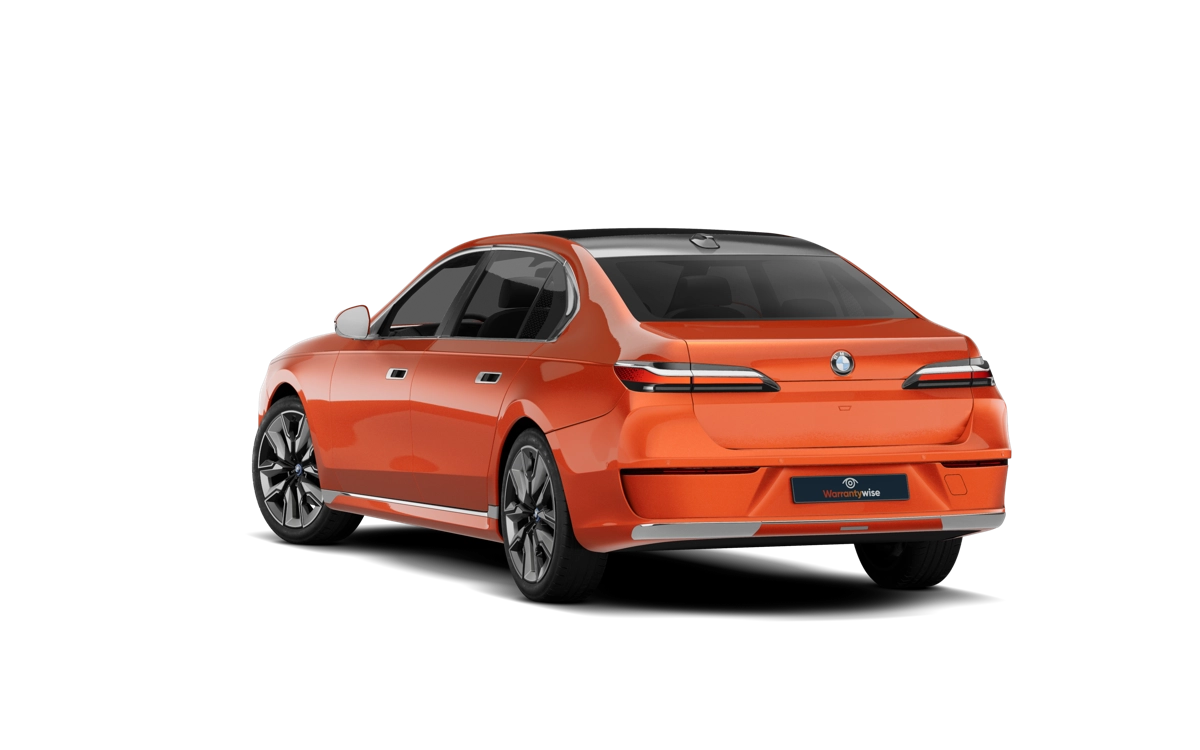
The BMW 7 Series is BMW’s flagship luxury saloon [1], built to deliver exceptional comfort, refinement and advanced technology. Designed with long-distance driving in mind, it’s particularly popular with executive drivers and those who value a smooth, relaxed driving experience over outright sportiness.
With a spacious interior, high-quality materials and a strong focus on driver assistance and comfort systems, the 7 Series is engineered to make everyday journeys feel premium. In the UK used car market, the model can sometimes face heavy depreciation, meaning it appeals to buyers looking for top-end luxury at a significantly reduced purchase price [2].
When we look at the repair data from our Reliability Index, the 7 Series takes 2nd place on our Lower Reliability list for 2026. This indicates a greater likelihood of it requiring unexpected and potentially costly repairs, compared with simpler vehicles.
That doesn’t mean repair issues are inevitable, but it does underline the importance of careful budgeting, choosing a well-maintained example and considering an extended warranty.
With a comprehensive service history, sensible ownership and realistic planning for long-term running costs, many drivers continue to enjoy the strengths of the 7 Series with confidence.
BMW 7 Series – Reliability Index data.
| Metric | Typical figure | What this means |
|---|---|---|
| Average age at repair | 7.1 years | Issues tend to appear later in model’s lifespan |
| Average mileage at repair | 74,162 miles | Average mileage for repairs in relation to wider Reliability Index. |
| Average repair cost | £2,467 | Higher than average overall. Reasonable for a premium saloon |
| Most regular repair area | Suspension | Special attention to be paid to this area if considering used purchase |
| Highest recorded repair | £17,343 | Uncommon, highlights worst-case scenarios for major issues. |
| Reliability score | 18.7 / 100 | Indicates higher ownership risk |
*Figures are indicative and based on typical BMW 7 Series repair data. Individual vehicles may vary.

What our data suggests about used BMW 7 Series reliability:
Based on our historic repair data, the BMW 7 Series takes 2nd place on our Lower Reliability list for 2026. A little sensible budgeting and forward-planning is recommended for people considering purchasing this vehicle. It’s a premium vehicle, which often means luxury and class, but can also mean higher-than-average repair costs.
Suspension-related repair requests appear most regularly, which is consistent with a large luxury saloon designed around ride comfort [3]. Adaptive suspension systems, air suspension components and complex chassis technology can all contribute to higher repair costs as the vehicle ages.
The average repair request cost of £2,467 for the BMW 7 Series sits at the top end of our Lower Reliability list, reflecting the specialist parts, advanced diagnostics and labour typically associated with a flagship luxury model.
The BMW 7 Series’ Overall Reliability Score of 18.7/100 reflects the complexity of its engineering rather than a lack of quality or durability. Large luxury saloons with advanced comfort and chassis systems naturally carry a higher potential repair risk. For drivers who prioritise refinement, technology and long-distance comfort, a carefully chosen 7 Series can still be a rewarding car to own.
For UK motorists considering a BMW 7 Series, our data highlights several important ownership considerations:
- Suspension-related repair requests appear most regularly, reflecting the vehicle’s comfort-focused design
- Average repair costs are higher due to premium components and labour
- The gap between routine running costs and worst-case repair outcomes can be significant
Catching suspension issues early can reduce the risk of more expensive secondary damage. A proactive approach to maintenance makes ownership more predictable and helps protect both comfort and long-term value.
Why reliability can vary between 7 Series models:
While the BMW 7 Series can be associated with higher risk ownership, reliability is never guaranteed. Factors that can influence repair likelihood include:
- Servicing and maintenance history: Having your car serviced and maintained at the manufacturer’s specified intervals can reduce repair likelihood.
- Mileage and driving style: Accelerate gently, avoid harsh braking and try to maintain steady speeds.
- Urban use versus longer motorway journeys: Frequent, short trips (where the car’s engine never reaches full operating temperature) can increase stress on starter motors, reduce battery life and cause increased wear on various engine components [4].
- Previous owners and care standards: Insist on a full-service history and try to investigate previous owners’ care for the car.
- Hybrid vs petrol powertrains: Hybrid 7-Series models, for example, introduce additional electrical components [5] that may alter long-term repair patterns, while higher-mileage examples may naturally face wear-related repairs sooner.
Our reliability data is best used as a guideline, not a guarantee. Two identical Discovery models can perform very differently depending on how they’ve been looked after.
What people love about the BMW 7 Series:
People love the BMW 7 Series for its luxurious interior, smooth ride quality and refined driving experience. It’s designed to prioritise comfort and effortlessness, making it particularly appealing for long journeys.
Commonly valued strengths include:
- Exceptional ride comfort and quiet cabin
- High-quality interior materials and build quality
- Strong engine options with smooth, relaxed performance
These qualities help explain why the 7 Series continues to attract buyers in the used market despite some ownership complexity.
BMW 7 Series safety:
Many BMW 7 Series generations were not formally tested by Euro NCAP, largely due to their low-volume, flagship status at the time of release.
However, models are equipped with a wide range of advanced safety and driver assistance technologies, including autonomous emergency braking, lane support systems and multiple airbags.
Safety performance should always be considered alongside the specific model year and equipment level.
How much might a used BMW 7 Series cost?
Used BMW 7 Series models aged 4–6 years with under 60,000 miles typically sit within the upper range of luxury saloon pricing. Values vary depending on engine choice, specification, mileage and service history.
| Vehicle age | Typical mileage | Price range |
|---|---|---|
| 3 - 5 years old | Under 50k miles | £25,000 – £45,000* |
| 5 - 7 years old | Under 70k miles | £18,000 – £30,000* |
| 7 - 9 years old | Under 90k miles | £12,000 – £25,000* |
Prices will vary depending on age, mileage, spec and general condition. Price ranges from Autotrader, March 2026 and are subject to change.
Buyers should factor in not just the purchase price, but also the likelihood of repairs and what they might cost to fix. In 2025, the RAC reported that two-thirds (65%) of drivers have had to fork out for unexpected car repair costs in the last year [6] – up from 59% last year.
With an average BMW 7 Series repair cost of £2,467, it’s important to be confident your budget can accommodate potential repair work over time.
Is the BMW 7 Series a sensible used buy?
The BMW 7 Series can be a great choice for the right buyer if:
- You want a high-end luxury saloon
- You prioritise comfort, refinement and technology
- You choose carefully, with inspection and full history checks
Things you may wish to consider:
- Running and repair costs can be higher than average
- Advanced suspension and comfort systems increase complexity
Warranty considerations:
Some owners consider a car warranty to help manage financial exposure to unpredictable repair costs. This is a personal choice rather than a requirement.
Warrantywise plans start from just £60 per month for the 7 Series, helping drivers spread the cost and budget for unexpected repair bills. (Prices may vary depending on your specific warranty plan.)
If explored, it is sensible to:
- Read the warranty plan carefully to understand what is included
- Treat it as a budgeting tool rather than a guarantee
- Weigh the cost against mileage, usage and risk tolerance
A warranty should support ownership planning, not replace thorough pre-purchase checks.
Speak to one of our friendly warranty experts to find out if a warranty is right for you. Or start your warranty quote for your BMW 7-Series today by clicking the link or calling our team on 0800 001 4990.
Explore other models on our lower reliability scores list:
| Make / Model | Reliability Score (Out of 100) |
|---|---|
| 1. Land Rover Discovery | 17.2 |
| 2. BMW 7-Series | 18.7 |
| 3. Mercedes S-Class | 19.2 |
| 4. Audi A7 | 19.2 |
| 5. Land Rover Range Rover Velar | 19.7 |
| 6. Land Rover Range Rover Sport | 21.1 |
| 7. BMW X5 | 23.6 |
| 8. Land Rover Discovery Sport | 24.1 |
| 9. BMW X7 | 26.5 |
| 10. Land Rover Defender 110 | 28.0 |
Sources:
Reliability Index scores are based on historical repair request data, including 1. Repair request frequency, 2. Labour hours, 3. Average vehicle age at repair and 4. Average vehicle mileage at repair between Jan 2023 and Jan 2026. The data includes vehicles aged three to fifteen years old, with a minimum of 250 vehicles on plan per model.
Average repair request values reflect the data period analysed. Ongoing increases in labour and parts costs may affect future repair costs. All data is sourced from Warrantywise’s internal Reliability Index and is believed to be accurate at the time of publication. Warrantywise may update this information as new Index data becomes available. All car class/segment titles referred to taken from euroncap.com.
External sources of information:
The information provided in this guide is for general informational purposes only and does not constitute legal or financial advice.