


The Land Rover Discovery is a premium and refined SUV (Sport Utility Vehicle) built for drivers who need space, comfort and serious versatility. It boasts seven-seat flexibility, impressive towing ability and a reputation for handling everything from long motorway journeys to rural lanes and light off-road use [1].
It’s a great family car, ideal for the school run and daily driving, with the added versatility to comfortably tow caravans or horseboxes when needed.
When we look at the repair data from our Reliability Index, the Discovery takes top spot on our Lower Reliability list for 2026, meaning it has a greater chance of requiring unexpected and potentially costly repairs.
That doesn’t mean repair issues are inevitable, but it does underline the importance of careful budgeting, choosing a well-maintained example and considering an extended warranty.
With a solid service history, careful ownership and sensible budgeting, many drivers continue to enjoy the Discovery’s strengths with confidence.
Land Rover Discovery – Reliability Index data.
| Metric | Typical figure | What this means |
|---|---|---|
| Average age at repair | 6.8 years | Issues tend to appear in middle-to-late section of model’s lifespan |
| Average mileage at repair | 70,544 miles | Average mileage for repairs in relation to wider Reliability Index. |
| Average repair cost | £2,050.24 | Higher than average overall. Reasonable for a premium SUV |
| Most regular repair area | Electrical systems | Increasingly common on many models. |
| Highest recorded repair | £25,694 | Uncommon, highlights worst-case scenarios for major issues. |
| Reliability score | 17.2 / 100 | Indicates higher ownership risk |
*Figures are indicative and based on average Land Rover Discovery repair data. Individual vehicles may vary.

What our data suggests about used Land Rover Discovery reliability:
Based on our historical repair data, the Land Rover Discovery takes first place on our Lower Reliability list for 2026. The average repair request cost of £2,050 sits in line with expectations for a complex seven-seat vehicle in this class, where specialist parts and labour are more commonly required.
Overall, the Discovery’s Overall Reliability Score of 17.2/100 reflects its sophisticated engineering rather than a lack of capability or build quality. Larger vehicles with more complex mechanical and electrical systems can be at a greater risk of repairs.
For drivers who value space, refinement and go-anywhere confidence, choosing a well-maintained Discovery, and planning for long-term ownership costs, can make it a rewarding and practical SUV to live with.
For UK motorists considering a Land Rover Discovery, our data highlights several important ownership considerations:
- Electrical system-related repair requests appear most regularly, reflecting the complexity of the vehicle’s technology and onboard systems.
- Average repair request costs are higher than many large SUVs, largely due to premium parts and labour requirements.
- The gap between routine running costs and worst-case repair outcomes can be significant.
As cars become increasingly tech-heavy, it’s worth keeping in mind the industry is currently facing a shortage of skilled technicians [2], particularly those trained to diagnose and repair increasingly complex electrical and software-driven systems. This can contribute to longer repair times and higher labour costs, especially for technology-heavy vehicles. Discovery owners can prepare by choosing experienced repairers and planning financially for maintenance and potential repairs.
Overall, the data highlights the Discovery is a vehicle where maintenance discipline and inspection quality matter more than average, due to the complexity of the mechanical and electrical systems, along with the higher average repair costs. A well-maintained example with comprehensive service history may perform very differently from one with patchy upkeep. Regular servicing and maintenance is important for all vehicles [3].
Why reliability can vary between Discovery models:
While the Land Rover Discovery can be associated with higher risk ownership, reliability is never guaranteed. Factors that can influence repair likelihood include:
- Servicing and maintenance history: Having your car serviced and maintained at the manufacturer’s specified intervals can reduce repair likelihood.
- Mileage and driving style: Accelerate gently, avoid harsh braking and try to maintain steady speeds.
- Urban use versus longer motorway journeys: Frequent, short trips (where the car’s engine never reaches full operating temperature) can increase stress on starter motors, reduce battery life and cause increased wear on various engine components [4].
- Previous owners and care standards: Insist on a full-service history and try to investigate previous owners’ care for the car.
- Hybrid vs petrol powertrains: Hybrid Discovery models, for example, introduce additional electrical components [5] that may alter long-term repair patterns, while higher-mileage examples may naturally face wear-related repairs sooner.
Our reliability data is best used as a guideline, not a guarantee. Two identical Discovery models can perform very differently depending on how they’ve been looked after.
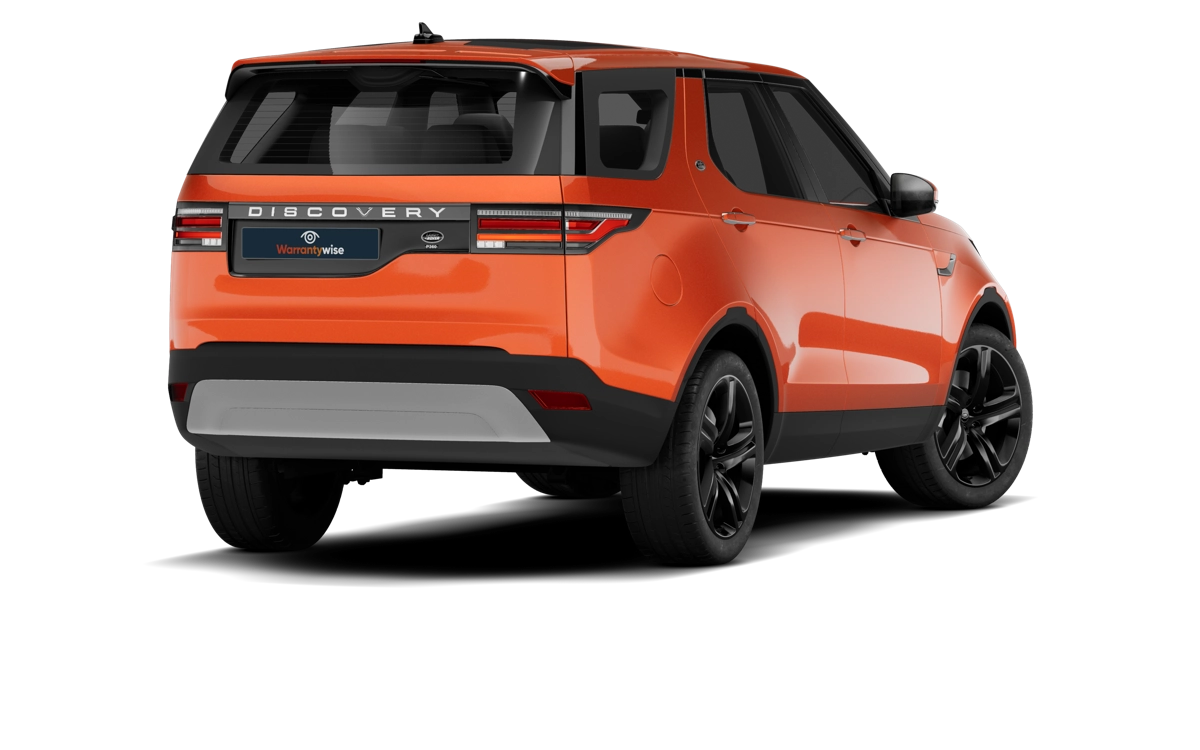
What people love about the Land Rover Discovery:
People love the Land Rover Discovery for its impressive off-road ability, spacious luxury interior and practicality. With strong towing capacity, advanced tech and refined comfort, it’s perfect for family adventures and long journeys. Capable, comfortable and versatile, it blends rugged capability with premium appeal.
Many owners value the Discovery for its practicality rather than simplicity [6].
- The comfortable driving position and long-distance comfort
- Genuine seven-seat space suitable for adults
- Strong towing capability and all-weather confidence
These strengths explain why the Discovery remains popular. For some households, few alternatives offer the same combination of space and capability.
Land Rover Discovery safety:
The Land Rover Discovery received a five-star Euro NCAP safety rating (2017) with standard equipment [7]. While this rating has since expired, it still provides useful context for structural safety performance at the time of assessment.
Discovery models also come equipped with five ISOFIX mounting points as standard, providing secure and convenient attachment for child safety seats.
How much might a used Land Rover Discovery cost?
Used Land Rover Discovery models aged 4–6 years with under 60,000 miles typically sit within the upper range of large SUV pricing. Values vary widely depending on engine choice, trim level, mileage and service history but here are some examples:
| Vehicle age | Typical mileage | Price range |
|---|---|---|
| 3-5 years old | Under 50k miles | £35,000 – £70,000 [*] |
| 5 -7 years old | Under 70k miles | £18,000 – £45,000 [*] |
| 7 - 9 years old | Under 90k miles | £14,000 – £30,000 [*] |
Prices will vary depending on age, mileage, spec and general condition. Price ranges from Autotrader, March 2026. Prices subject to change.
Buyers should factor in not just purchase price, but the likelihood of repairs and what they might cost to fix. In 2025, the RAC reported that two-thirds (65%) of drivers have had to fork out for unexpected car repair costs in the last year [8] – up from 59% last year.
With an average Land Rover Discovery repair cost of £2,050, you need to be certain of your budget.
Is the Land Rover Discovery a sensible used buy?
The Discovery can be a great choice for the right buyer if:
- You are looking for a premium quality SUV
- You prioritise safety
- You prioritise space, comfort and towing capability
- You choose carefully, with inspection and history verification
Things you may wish to consider:
- Running costs can be on the higher side
- Larger SUVs can have complicated mechanical and electrical systems
Warranty considerations:
Some owners consider an extended warranty to help manage financial exposure to unpredictable repairs. This is a personal choice rather than a requirement.
Warrantywise plans start from just £61 per month for the Discovery, helping drivers spread the cost and budget for unexpected repair bills. (Prices may vary depending on your specific warranty plan.)
If explored, it is sensible to:
- Read the warranty plan book to understand what will be repaired and what won’t
- Treat it as a budgeting tool rather than a guarantee
- Weigh the cost against your own risk tolerance and annual mileage
An extended warranty should support ownership planning, not replace thorough pre-purchase checks.
Speak to one of our friendly warranty experts to find out if a warranty is right for you. Or start your warranty quote for your Land Rover Discovery today by clicking the link or calling our team on 0800 001 4990.
Explore other models on our lower reliability scores list:
| Make / Model | Reliability Score (Out of 100) |
|---|---|
| 1. Land Rover Discovery | 17.2 |
| 2. BMW 7-Series | 18.7 |
| 3. Mercedes S-Class | 19.2 |
| 4. Audi A7 | 19.2 |
| 5. Land Rover Range Rover Velar | 19.7 |
| 6. Land Rover Range Rover Sport | 21.1 |
| 7. BMW X5 | 23.6 |
| 8. Land Rover Discovery Sport | 24.1 |
| 9. BMW X7 | 26.5 |
| 10. Land Rover Defender 110 | 28.0 |
Data note: This overview uses historical repair request data as one part of a broader ownership picture. It does not guarantee whether an individual vehicle will or will not experience issues. Reliability is influenced by many factors, including maintenance, usage and vehicle condition. These aspects should always be considered alongside professional inspections and service records.
Sources:
Reliability Index scores are based on historical repair request data, including 1. Repair request frequency, 2. Labour hours, 3. Average vehicle age at repair and 4. Average vehicle mileage at repair between Jan 2023 and Jan 2026. The data includes vehicles aged three to fifteen years old, with a minimum of 250 vehicles on plan per model.
Average repair request values reflect the data period analysed. Ongoing increases in labour and parts costs may affect future repair costs. All data is sourced from Warrantywise’s internal Reliability Index and is believed to be accurate at the time of publication. Warrantywise may update this information as new Index data becomes available. All car class/segment titles referred to taken from euroncap.com.
External sources of information:
Disclaimer: The information provided in this guide is for general informational purposes only and does not constitute legal or financial advice.